February 8, 2026
Yoga vs tai chi compares two mind–body practices, each offering unique strengths for wellness retreat organizers.
Yoga focuses on building flexibility, strength, and mental clarity through structured postures and breathwork. Tai chi uses continuous, gentle movement to enhance balance, mobility, and relaxation, making it especially accessible for diverse groups.
Both can be adapted for all levels and support group transformation. For organizers seeking a fully serviced, eco-conscious venue that can support either discipline or a hybrid approach, Basundari Retreat Bali is purpose-built to handle logistics, sustainability, and immersive program delivery.
- Understand Yoga vs Tai Chi in the Retreat Setting
- Compare the Core Principles and Benefits of Yoga vs Tai Chi
- Evaluate What Works Best for Your Group’s Needs and Retreat Goals
- Assess Venue and Facility Requirements for Yoga vs Tai Chi Retreats
- Address Common Challenges and Considerations in Organizing Yoga vs Tai Chi Retreats
- Explore Real-World Examples of Yoga and Tai Chi Retreats in Bali
- Help Organizers Decide: Key Questions to Guide Retreat Design
- Conclusion: Choose Your Practice, Shape the Transformation
Understand Yoga vs Tai Chi in the Retreat Setting
Leading a high-impact retreat means knowing how every modality shapes transformation. Yoga and tai chi are both mind–body disciplines focused on deepening awareness and restoring balance. Yet, they bring distinct energies and origins to your programming. Yoga, anchored in India’s traditions, weaves together postures, breathwork, and meditation. Tai chi, with roots in Chinese martial arts, flows through continuous, mindful movement and breath, channeling internal energy or “qi.” Both resonate today because they speak directly to nervous system regulation, connection, and group synergy—non-negotiables for experienced retreat hosts seeking more than surface-level relaxation.
When you curate a retreat at Basundari Retreat Bali, you unlock a rare setting: our venue is built for leaders who demand eco-conscious amenities, seamless logistics, and the ability to fully immerse groups in practice, be it yoga, tai chi, or a blend.
What Sets Retreat Modalities Apart at Basundari
- Yoga programs support embodied mindfulness, somatic healing, flexibility, and strength—for participants from advanced yogis to total beginners.
- Tai chi offers gentle, flowing movement emphasizing balance, mobility, and mindful presence, accessible for any age or physical ability.
- Our onsite logistics team handles local cultural integration. Partner with local Balinese guides, or schedule sunrise movement in our jungle-view shala and garden spaces.
The true value of a retreat venue lies in how well it fades into the background—letting your programming and group energy shine.
Programming tip: Start mornings with tai chi to set a calm nervous system baseline. Slot in dynamic yoga or deep-stretching sessions late afternoon for maximal group engagement. Our spaces flex to handle these shifts.
Compare the Core Principles and Benefits of Yoga vs Tai Chi
Choosing a modality is never just a “preference”. It’s a targeted strategy to deliver transformation, resilience, and restorative benefits that matter to your group’s needs. Both yoga and tai chi anchor themselves in breath, body awareness, and inner focus, but their methods and outcomes sing in different keys.
Key Similarities & Differences
- Yoga: Prioritizes static and dynamic poses, deep stretching, balance, and muscular engagement. Prana drives the practice, often embedded with philosophical structure.
- Tai Chi: Focuses on slow, continuous movement, weight-shifting, and gentle strength. Qi is the guiding energy, with roots in martial and meditative tradition.
- Both: Adapt for all ages and bodies. Both foster collective and individualized transformation when facilitated skillfully.
Research-Based Benefits for Retreat Groups
Choose the toolkit that fits the job. Here’s how each stacks up for common retreat goals:
- Balance & Motor Skills: Tai chi excels for groups focused on fall prevention or neurological conditions. Studies show consistent improvements when practiced 3-4x a week, 50-60 min per session.
- Strength & Flexibility: Yoga dominates for groups needing deep stretching and power-building. Positive effects rise with longer, regular practice blocks.
- Mental Health, Mood, and Sleep: Both practices lower stress and anxiety markers. Tai chi is proven for chronic illness and cancer survivor groups. Yoga programs reduce stress and improve sleep quality, especially with yin or restorative flows.
- Pain Management: Both modalities show reductions in osteoarthritis, fibromyalgia, or chronic musculoskeletal pain. Offer safer journeys for groups wary of high-risk movement.
- Program Frequency: The right “dosage” matters. Frequent tai chi or structured yoga workshops bring the most measurable outcomes in function, mood, and participant satisfaction.
Pick yoga for challenge and stretch, tai chi for gentle grounding and accessible flow. Both adapt to chair-based or seated formats for mobility-limited guests.
Evaluate What Works Best for Your Group’s Needs and Retreat Goals
Your programming should flow from the attendee profile, not a one-size-fits-all menu. High-performing retreats start with a clear map of participant needs and the transformation you promise. The right movement discipline can accelerate, anchor, or ground that change.
When to Choose Yoga, Tai Chi, or Both
- Experience Level: Advanced yogis want strong asana tracks. Multi-aged, mobility-challenged groups thrive with gentle tai chi.
- Health & Mobility: Tai chi is best for accessible balance work. Yoga shines for building flexibility, strength, and stretch depth.
- Retreat Themes: Choose tai chi for aging well or balance themes; yoga for strength, spiritual exploration, or flexibility blocks.
- Program Mix: Alternate modalities or run hybrid schedules—tai chi in the morning, yoga late day—for optimal nervous-system support.
- Feedback First: Use surveys or mid-retreat check-ins to refine future programming or adapt the blend live.
- Theme Alignment: Tai chi blocks for aging-well/balance. Yoga for strength, deep stretching, or inner work.
- Scheduling: Frequent, shorter sessions often outperform the occasional deep dive.
- Inclusivity: Design tracks for both high-energy and restorative practice, with modifications for injuries or mobility issues.
The strongest retention and referrals come from retreats that nail the mix: clear expectations, varied intensity, and a match between venue capacity and programming needs.
Assess Venue and Facility Requirements for Yoga vs Tai Chi Retreats
Hosting a seamless, high-value retreat comes down to space. The physical footprint and flow of your venue matter more than you think. Movement-based disciplines need room, landscape, and rhythm that match their intent.
What Each Modality Needs in a Space
- Yoga: Requires a dedicated shala with enough room for mat layouts, props, and sometimes aerial rigs. Non-slip, hardwood, or bamboo flooring is key.
- Tai Chi: Thrives in open, flat, unobstructed spaces—outdoors is often best. Nature views amplify the moving meditation effect.
- Breakout Spots: Silent nooks for integration or reflection, plus social areas for meals and group work, support sustained engagement.
Why Basundari Retreat Bali Delivers for Both
Our venue gives you the tools and flexibility you need:
- Yoga shala accommodates 22 mats or 15 aerial setups. Surrounded by bamboo, drenched in natural light.
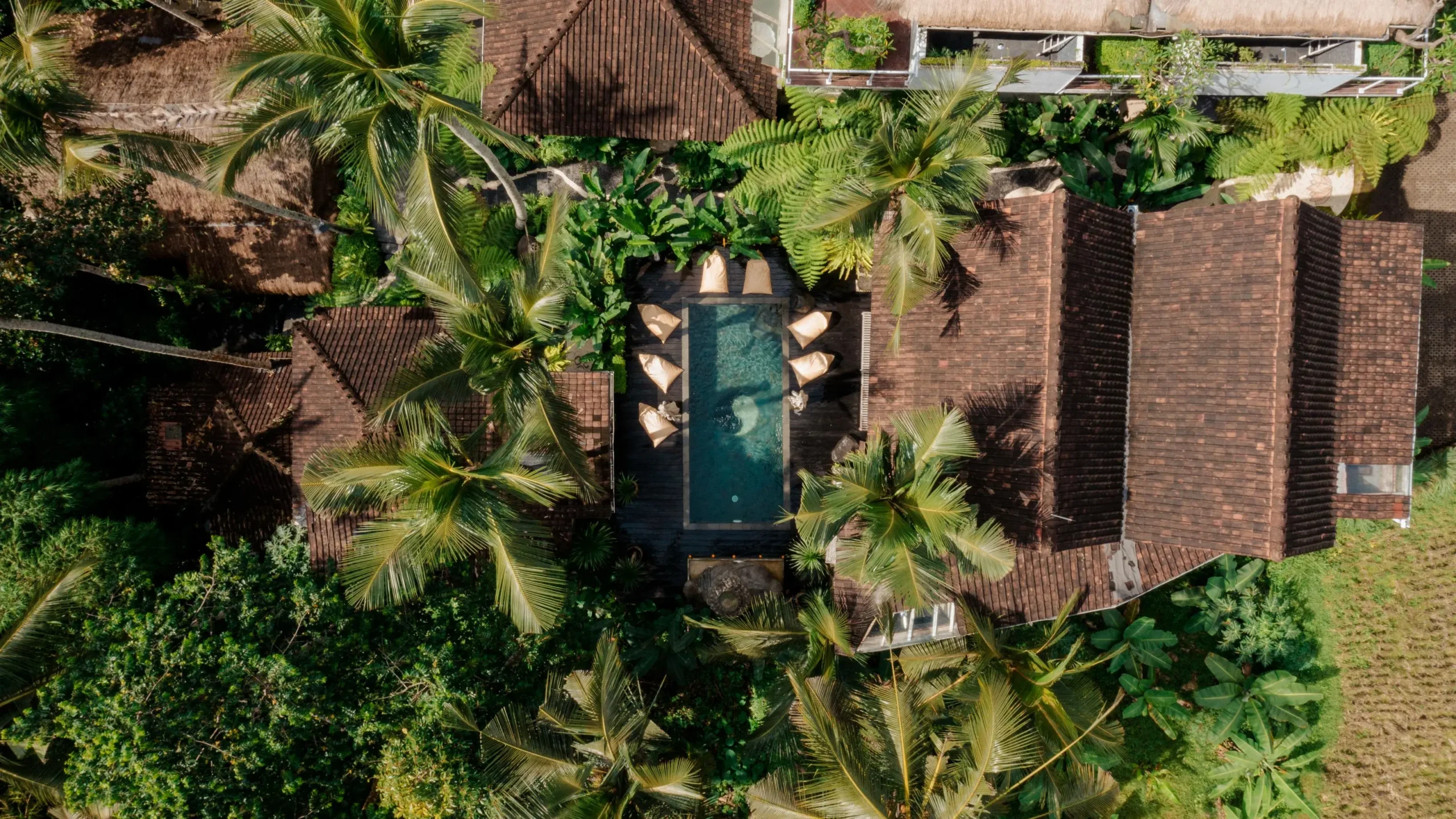
- Flexible outdoor practice spaces—garden lawns, poolsides, shady terraces—with uninterrupted jungle and rice field views.
- Onsite sauna and ice bath for contrast therapy after movement-intensive sessions.
- Eleven unique rooms, pools, and community dining areas designed for rest and connection.
- Vegan and vegetarian dining, plus capacity for other inclusive menus via onsite chefs.
- Seamless support for zero-waste logistics and local cultural programming.
Ready-to-use spaces, staffed logistics, and eco-conscious design let you focus on program impact instead of operational headache.
Learn more and review technical specs at https://basundari.com.
Address Common Challenges and Considerations in Organizing Yoga vs Tai Chi Retreats
Choosing your movement modality is only half the battle. Organizers face a list of real challenges—space jockeying, scheduling friction, instructor standards, accessibility worries, and food flexibility. Each detail can impact the group experience or derail your best-laid plans if not addressed before arrival.
We know you want retreats to run without snags. Here’s how we confront those core issues at Basundari Retreat Bali:
Organizer Pain Points—Solved
- Securing Flexible, Eco-Conscious Spaces: Our venue is purpose-built for both mat-based yoga and flowing tai chi, from the indoor shala to open-air lawns. No squeezing into makeshift corners.
- Managing Program Logistics: We handle class scheduling, transitions, and space switching. Say goodbye to session overlap or venue double-booking headaches.
- Ensuring Instructor Quality: We can recommend certified yoga and tai chi instructors versed in dealing with mixed-level groups, older adults, or specialized therapeutic populations.
- Dietary Flexibility: Our chefs specialize in vegan and vegetarian menus and can adjust for allergies or culturally diverse diets. You never need to stress about food inclusivity.
- Eco-Friendly Credentials: With upcycled furnishings and zero-waste protocols, you align your retreat values with every detail—no greenwashing.
Bonus: Partner with local spiritual leaders, embed authentic Balinese ceremonies, or book recovery blocks in our sauna and ice bath. Our team takes the pressure off you so your focus stays where it matters: transformation, connection, and flow.
When you plan a retreat here, the logistics vanish into the background so the energy of your group comes to the forefront.
Explore Real-World Examples of Yoga and Tai Chi Retreats in Bali
What do successful movement retreats look like here in Bali? The most impactful events are shaped by clarity of practice, comfortable spaces, and immersive, innovative programming.
Winning Formats from the Field
- Yoga Immersions: Twice-daily yoga with focused workshops—sound healing, breathwork, or skill-based asana—paired with nature excursions and sunset meditations.
- Tai Chi Morning Series: Gentle dawn movement, guided outdoor walking meditations, and group flows overlooking rice fields. Afternoon restorative, plus silent reflection spaces.
- Hybrid Programs: Morning tai chi in the garden for balance and nervous-system regulation, followed by strength-building yoga or yin sessions later in the day.
Every year, organizers return to Basundari because they see clear, measurable results:
- High retention—most group leaders rebook after their first event.
- Participant delight—group testimonials call out our organic vegan meals, nature-immersive practice spaces, and local ceremony options.
- Logistical simplicity—no last-minute emergencies, no missed meals, no tech or space failures.
Excellent retreats build transformation with family-style meals, immersive outdoor practice, and support for personal growth in every detail.
Curious what a week could look like here? Browse sample formats or plan your own at https://basundari.com.
Help Organizers Decide: Key Questions to Guide Retreat Design
Ready to dial in your next movement retreat? Reflection leads to precision. Align your decision-making to the needs of your group, your intention, and the power of your location.
Fast-Track Retreat Design Checklist
- What specific transformation do you want guests to achieve—and does the chosen practice deliver it?
- Does your group need gentle mobility, deep strength, spiritual grounding, or a mix?
- Are your instructors certified and ready for the population you’re hosting (beginners, athletes, older adults)?
- Does your venue have flat open spaces for tai chi, a shala for yoga, breakout areas for downtime, and experienced staff to manage every moving part?
- Will your programming fit in all scheduled spaces without crowding or wait time?
- How will you measure success? Pre/post surveys, energy levels, feedback loops—build them in from the start.
Evaluate participant feedback, capacity, and functional demands in advance. The strongest retreats are crafted for fit, not fad.
Tighten your plan, sharpen your messaging, and let the venue amplify—not distract from—your impact.
Conclusion: Choose Your Practice, Shape the Transformation
Yoga vs tai chi isn’t just a trend battle—it’s about matching the right tools to your promise of transformative outcomes and participant care. Each discipline unlocks its own set of group benefits. When you select the approach—or blend—that aligns with your objectives, you raise the floor for everyone involved.
If you want a venue that meets the same gold-standard as your programming, Basundari Retreat Bali is ready. We support retreat leaders who value eco-consciousness, smooth logistics, and flexible practice spaces made for both yoga, tai chi, and everything in between.
Host your next movement retreat in a space that amplifies your impact. Connect with our team to discover how Basundari can bring your vision to life.
Basundari is the perfect setting to host your retreat. Whether you specialize in yoga, meditation, mindfulness, breathwork, wellness, dance, arts, leadership, massage, fitness, pilates, inspiration, healing, or personal development, Basundari is designed to support all types of retreats. Reach out to us, and we'll ensure your needs are met.
Plan the perfect retreat