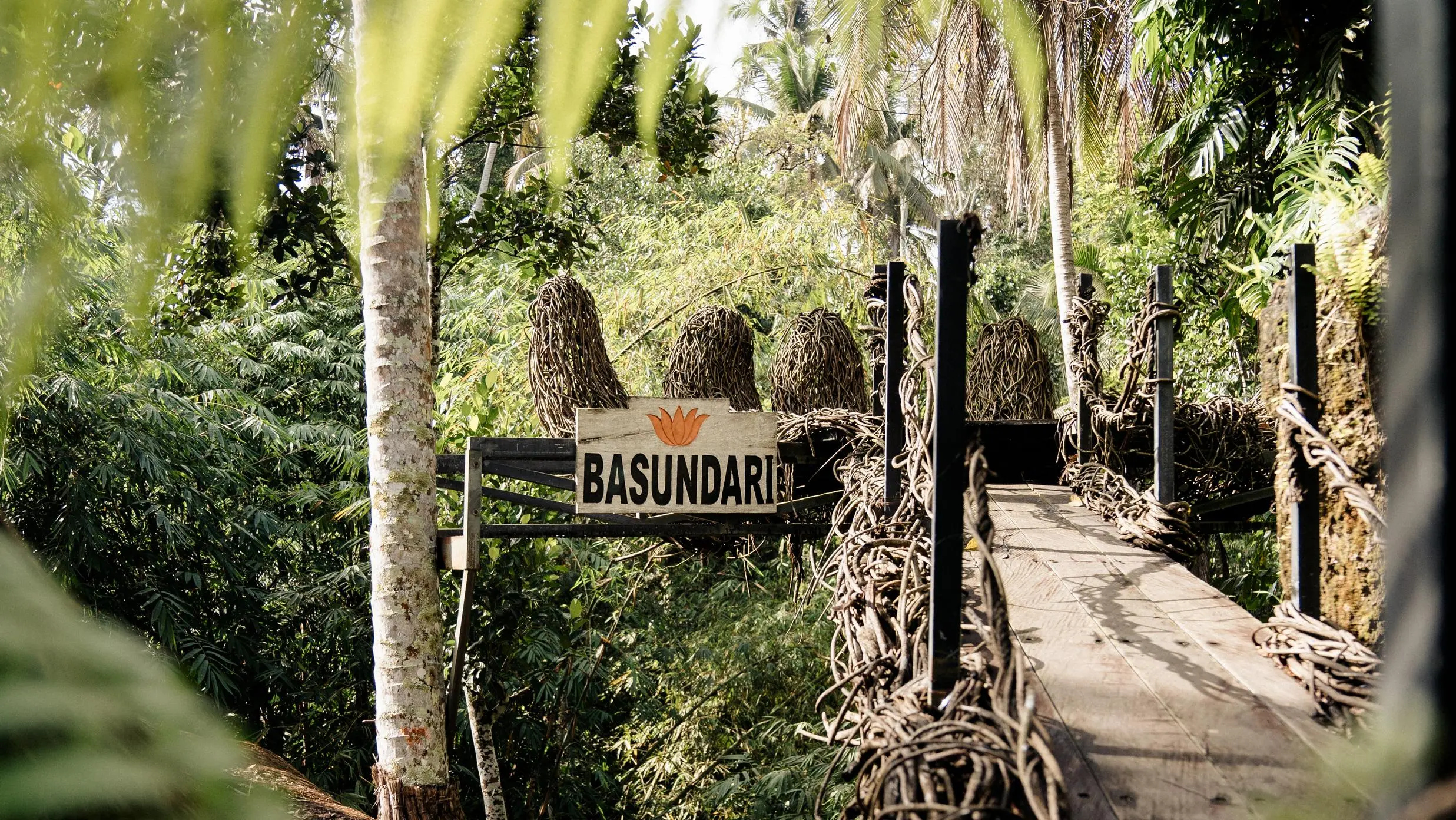
November 30, 2025
Volunteering in Bali is now a dynamic part of retreat programming, not just an obligatory add-on.
We understand you seek experiences that reflect authentic local connection, environmental responsibility, and genuine community benefit.
This guide helps experienced organizers like you create purposeful, seamless programs by covering:
- How volunteering in Bali is evolving in wellness, yoga, and personal development retreats
- Building sustainable, meaningful partnerships with community organizations
- Navigating logistics, regulations, and ethical integration with confidence
- Understand the Evolving Landscape of Volunteering in Bali
- Identify Opportunities for Meaningful Volunteer Work Within Retreats
- Address Regulations, Visas, and Local Requirements for Volunteering in Bali
- Consider Cultural Sensitivity, Ethics, and Community Impact
- Integrate Service Seamlessly With Wellness and Personal Growth Programs
- Harness the Power of Local Partnerships and Sustainability
- Address Pricing, Logistics, and Organizer Responsibilities
- Learn From Case Studies and Recent Insights
- Frequently Asked Questions About Volunteering in Bali for Retreats
- Conclusion: Redefine Retreat Service as Reciprocal Partnership
Understand the Evolving Landscape of Volunteering in Bali
Seasoned retreat organizers notice rapid shifts in how volunteering in Bali is understood. No longer does it mean surface-level service or one-off projects tacked onto a retreat. Today’s organizers face new demands—and new opportunities—for collaboration, transparency, and long-term value. Before designing your retreat’s volunteer component, it’s critical to grasp the expectations and realities of modern service in Bali.
Key Trends Defining Volunteering in Bali:
- Volunteering experiences are moving toward sustainable, community-led partnerships instead of extractive or performative “voluntourism.” Longer immersion and repeat collaboration now build legitimacy and trust.
- Trends in wellness and eco-tourism play to Bali’s strengths: spiritual tradition, environmental stewardship, and strong local communities. Real impact and integrity matter more than optics.
- Communities emphasize the need to avoid commodifying ceremonies or cultural rituals for foreign guests. What strengthens local guardianship of culture aligns best with both SDGs and retreat values.
- Education-focused volunteering is growing, especially projects aligned with SDG 4 (Quality Education) and SDG 14 (Life below Water). Participants want to walk away with concrete knowledge and skills, not just stories.
- Demand for transparency is higher. Organizers should use community testimonials, impact reporting, and visibility of partner NGOs to prove real outcomes.
At Basundari Retreat Bali, we design our venue and services around these evolving standards. We prioritize eco-conscious amenities, support local partnerships, and make it easy for you to deliver credible, SDG-aligned programs. Our team leads with accountability and community at the center, helping you meet guest expectations for integrity and impact.
Effective volunteering in Bali requires genuine local engagement, not shortcuts. Co-create, educate, measure.
Identify Opportunities for Meaningful Volunteer Work Within Retreats
When you think about integrating volunteering into your retreat, the right activities make all the difference. Avoid token projects or activities that simply fill time. Instead, look for hands-on roles that educate, foster exchange, and deliver measurable value.
Best-Fit Volunteer Activities for Wellness and Yoga Retreats:
- Work beside local permaculture farmers to learn (and teach) organic gardening skills. Participants get practical experience and support Bali’s food sovereignty.
- Join reef conservation or mangrove reforestation projects. These teams provide structured hands-on tasks with visible ecological impact. They teach skills like coral transplantation, buoy maintenance, and pest removal.
- Contribute to educational workshops in village schools, focusing on language skills, creative arts, or environmental awareness. When coordinated with community input, these sessions build lasting relationships.
- Organize beach and rice field clean-ups, directly supporting community waste management goals. Tangible tasks, clear outcomes.
- Offer wellness or yoga sessions for local NGOs or charities. Bring value while modeling cultural respect and humility.
Service works best when skill-sharing and learning go both ways. Use reputable partners like North Bali Coral Reef Conservation or IVHQ to connect with established programs, or tailor hands-on modules using insights from organizations such as the Biosphere Foundation.
Proof Points for Sustainability and Impact:
- Reef and mangrove initiatives train volunteers in eco-safe practices to prevent accidental harm. They report outputs such as hectares replanted or buoys maintained.
- Educational programs yield the strongest results when they involve rotation, continuity, and real, community-requested skills.
- Pairing morning fieldwork with afternoon restorative sessions like yoga leads to better wellbeing for all, while reinforcing learning.
- Seek partners who openly publish community outcomes, financial transparency, and SDG alignment.
By weaving in purposeful, skills-driven volunteer activities, you boost participant satisfaction, learning, and your program’s legacy in Bali.
Address Regulations, Visas, and Local Requirements for Volunteering in Bali
Organizers must take compliance seriously—Bali’s visa policies shift often, and improper planning can put your retreat and participants at risk. You’ll need to align your volunteer modules very tightly with what local rules allow.
** Essentials for Legal and Regulatory Compliance:**
- Start with the correct visa. For most unpaid volunteer activities, a social visit visa (B-visa) is the most common fit, often capped at 180 days and non-extendable. Some activities or lengths of stay may require distinct work permits or sponsorship.
- Avoid informal arrangements. Engage vetted local partners with proper registration, and clarify who submits all paperwork with immigration.
- Prepare robust role descriptions for volunteers. Distinguish service from paid labor or staff work, and have MOUs with local groups defining scope, financial flows, insurance, and responsibilities.
- Factor in time for application, approval, and possible delays. Participants should carry documentation and be briefed on what to do if questioned by officials.
Visa compliance is non-negotiable—work only with trusted partners and keep every document up-to-date.
Consider Cultural Sensitivity, Ethics, and Community Impact
Embedded, respectful community engagement is the only responsible approach for modern retreat organizers in Bali. Activities should empower, not overshadow, local priorities.
Short, under-planned visits can produce more harm than good. Programs built from outside, without input from village elders or community leaders, often create dependency, dilute cultural wisdom, or simply miss the point entirely.
Best Practices for Ethical Volunteering as an Organizer:
- Secure ongoing consent for every activity, especially cultural practice.
- Avoid scheduling events that require “performing” sacred rituals or staging cultural displays for outsiders. Instead, support the processes that keep culture alive for locals.
- Integrate educational modules about SDGs and environmental stewardship. Raise awareness for both guests and host communities.
- Include community needs assessments as a mandatory pre-design step. Incorporate benefit-sharing mechanisms: allocate a clear portion of participant fees to local projects, and report transparently.
- Provide participants with robust cultural-briefing materials. Cover protocols for temple visits, photography, and gendered etiquette. Prepare them for active listening, not just active service.
Only sustained, co-designed engagement delivers real benefit and builds trust between your retreat and the communities of Bali.
Integrate Service Seamlessly With Wellness and Personal Growth Programs
Integrated service isn’t just a convenient add-on. It makes every part of your retreat program stronger. The best retreat experiences let volunteering, wellness, and reflection build on one another for tangible results.
How To Seamlessly Blend Volunteering With Wellness Retreat Flow:
- Pair active volunteer blocks with restorative sessions—field work in the morning, yoga and reflection in the afternoon. This safeguards group energy and supports deeper processing.
- Use meal prep as an interactive, cross-cultural experience. Cook with local produce as both a service act and an education in indigenous ingredients.
- Host sessions directly in spaces that model the integration of purpose and practice, like our bamboo yoga shala, created from upcycled materials, or family-style dining spaces that center community connection.
- Embed educational preparation: share reading materials, basic language tutorials, or cultural orientation before your service starts. This elevates participant readiness and supports more mindful engagement.
- Structure reflection with group debriefs, journaling prompts, and guided breathwork. This helps guests process their service, avoid burnout, and turn experience into action.
At Basundari Retreat Bali, our eco-luxe rooms, immersive shared dining, and green design make logistical integration frictionless. You focus on developing your program’s impact, while we ensure the venue supports your mission.
Participants come away changed. Local partners benefit in clearly defined, lasting ways. You deliver a retreat experience that blends service, self-discovery, and sustainability as a seamless whole.
Harness the Power of Local Partnerships and Sustainability
Sourcing the right local partnerships separates average retreats from programs that deliver true, long-term results—for your guests and the communities you serve. Sustainability is more than a checkbox; it’s a visible, lived value.
Retreat organizers need efficient, credible allies to ensure mutual benefit and local buy-in. Here’s how you set that standard.
Proven Tactics for Strong Local Partnerships:
- Work with vetted NGOs and experienced farmers. Choose groups that share data, report progress, and have long-standing community trust. Ask for recent project outputs, not just a mission statement.
- Source meals locally—organic if possible—and invest in partnerships with neighborhood growers. This lowers environmental impact and supports village economies. At Basundari Retreat Bali, our plant-based dining and local farmer collaborations keep supply chains short and transparent.
- Rotate service among several partners. Prevent burnout on one site, distribute value, and foster flexibility. Your impact reaches more hands and hearts.
- Kick off every program with an orientation by community leaders. Build context, set expectations, and show respect. Participation grows when leaders champion your efforts from the start.
- Center projects on environmental restoration. Mangrove planting, reef work, and waste management deliver visible, trackable results and support Bali’s sustainability goals.
- Choose venues deeply invested in sustainability. Our commitment at Basundari shines through reusable towels, upcycled furnishings, and community-run program collaborations.
When you support local supply, share resources, and elevate local leadership, your retreat creates positive ripples across Bali’s ecosystem.
Address Pricing, Logistics, and Organizer Responsibilities
Efficient pricing and seamless logistics reduce stress on you and your team. Every detail needs clarity, from fees to daily schedules.
Get your numbers right upfront—this gives your retreat a financial backbone and builds participant trust.
Key Budgeting and Planning Steps
- Budget for partner fees, materials (think: compost, planting tools, safety gear), transport (boats for reef work, vans for village projects), translation, and insurance. Transparency in cost builds organizer credibility.
- Use venues, like Basundari Retreat Bali, that offer in-house logistics support, locally sourced food, and established supplier networks. This saves time, simplifies coordination, and minimizes errors.
- Cap group sizes when sites are ecologically sensitive or require concentration, typically 8-15. For larger retreats, stagger shifts. Maintain quality over quantity.
- Provide a clear, line-item breakdown showing how participant fees are allocated. It reassures guests and boosts buy-in.
- Schedule reflection or debrief sessions as mandatory—not optional. This supports learning and emotional processing, directly improving retention and satisfaction.
Having an organized, well-supported backend allows you to focus energy on delivering impact instead of putting out fires.
Budget transparency, hands-on logistics, and trusted partners translate to smooth, repeatable, high-value retreat experiences.
Learn From Case Studies and Recent Insights
Real success comes from learning—both from field wins and hard-earned lessons.
Recent programs in Bali confirm that co-creation, ongoing transparency, and strong local leadership consistently drive the best results.
Top Takeaways from Bali Retreat Case Studies:
- Programs with pre-trip training, post-retreat follow-up, and active community involvement report the highest level of satisfaction from both guests and local partners.
- Long-term English lessons, co-managed with village leaders, build trust and real-language gains. One-off sessions rarely stick.
- Measurable service activities—coral transplanting, mangrove planting—yield results when combined with data tracking (e.g., number of fragments or hectares).
- Transparency in storytelling matters. Participants trust honest reporting that reveals both challenges and victories.
Most importantly, the best programs blur the line between guest and host, moving from transaction to true partnership.
Consistency, clear metrics, and honest communication turn good intentions into ongoing, generative impact.
Frequently Asked Questions About Volunteering in Bali for Retreats
Anticipating organizer questions helps avoid issues down the line. Here’s what you need to know to plan, deliver, and report effectively.
Common Organizer Questions—Answered Fast:
- Can retreats include volunteer work legally? Yes—with correct visas, clear scopes, and trusted community partners. Rules change, so always confirm with local authorities and your chosen NGO.
- How can I ensure partnerships are real, not performative? Use MOUs, listen to community needs, rotate partners, and prioritize long-term engagement over token gestures.
- What prep do guests need? Deliver pre-arrival cultural briefings, basic language sessions, ecological context, and explicit behavior guidelines.
- How do we prove impact? Set both quantitative (trees planted, lessons taught) and qualitative (community testimonials, follow-ups) benchmarks. Use simple reporting tools, and share results widely.
Stay upfront, organized, and humble—your retreat’s reputation depends on it.
Depth and continuity always beat surface-level variety. Invest in relationships, not checklists.
Conclusion: Redefine Retreat Service as Reciprocal Partnership
True volunteering in Bali is a relationship. It’s a cycle of giving, learning, and growing, with respect informing every step.
Retreat organizers who embrace that spirit redefine what service means for themselves, their guests, and the communities they join.
We invite you to explore Basundari Retreat Bali—a setting built for seamless integration of wellness, sustainability, and heartfelt service. Let’s co-create programs that truly serve, inspire, and transform.
Connect with us to shape your next retreat into an experience where impact and intention align. Your vision, our support, Bali’s legacy—let’s raise the bar together.
Basundari is the perfect setting to host your retreat. Whether you specialize in yoga, meditation, mindfulness, breathwork, wellness, dance, arts, leadership, massage, fitness, pilates, inspiration, healing, or personal development, Basundari is designed to support all types of retreats. Reach out to us, and we'll ensure your needs are met.
Plan the perfect retreat